The Best Time to Visit Tasmania | Weather, Seasons & When to Go

The best time to visit Tasmania in Australia is between December and April. Tasmania is all about enjoying the stunning nature through road trips, hiking, and outdoor dining, so these warmer months provide the best weather for sightseeing and exploring.
December, January, and February are the warmest months, while March and April provide slightly cheaper prices and fewer crowds.
But you can visit Tasmania year-round, with each season offering something special in terms of weather, festivals, nature, and culture. Read more with our ultimate guide to Tassie's weather and seasons!
When is the best time to visit Tasmania?
Though December - April are the most popular months to visit, you can have an epic time in Tassie year-round based on the type of trip you want.
Here is a quick overview of the best time to visit Tasmania, as every season has its perks.
| Months | Best For | Weather / Season | Crowds |
| December - February | Beaches, islands, hiking, camping | Summer - warmest weather | High |
| March - May | Road trips, hiking, food & wine, autumn colours | Autumn - crisp and cool | Medium |
| June - August | Snowy retreats, skiing/snowboarding, cosy wilderness escapes | Winter - cold and snowy/rainy | Low |
| September - November | Wildflowers, waterfalls, wildlife | Spring - cool and slightly unpredictable |
Low - Medium |
When to visit Tasmania based on season
Tasmania has a cool temperate climate with four distinct seasons. Here is a rundown of what each season brings in terms of temperature, rainfall, daylight hours, and recommended activities.
Summer in Tasmania (December, January, February)
Summer in Tasmania has the warmest weather, the longest hours of daylight, and overall the best conditions for outdoor exploring. It gets warm, sunny, and even hot, but it's never overwhelmingly hot like Australia's more tropical areas.
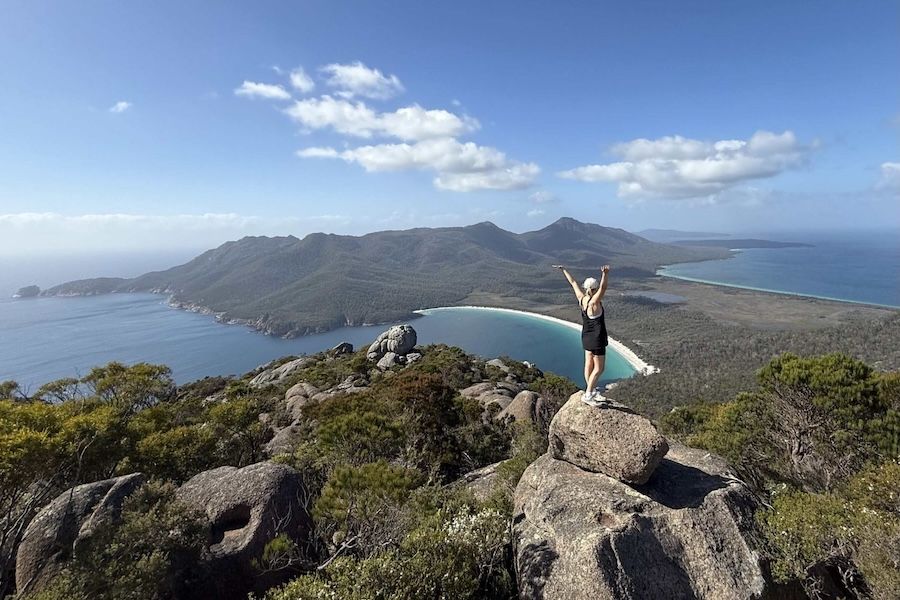
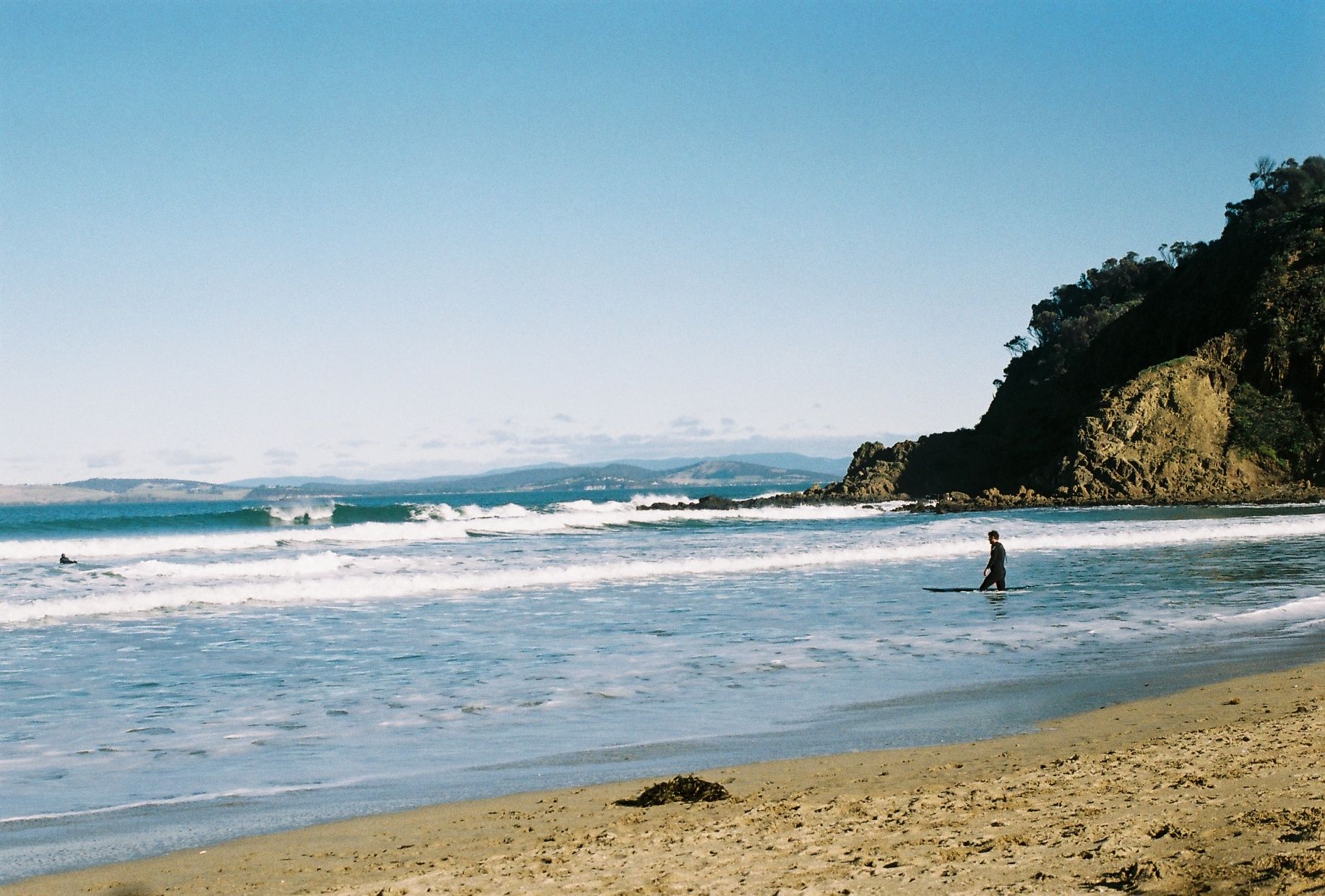
Tasmania has notoriously unpredictable weather, especially in the mountain areas. But summer offers the highest chance of warm and clear weather, making it the best and safest time of year for hiking and camping. If you want beach weather in Tasmania, summer is also the best time for coastal activities like swimming, fishing, and surfing.
Tasmania summer overview
- Average daily high temperature: 21°C
- Average daily low temperature 13°C
- Average number of daylight hours: 13-15 hours
- Average number of rainy days per month: 5
Autumn in Tasmania (March, April, May)
Coming into autumn, Tasmania's weather gets a bit cooler and a bit more unpredictable. The air is refreshingly crisp and cool, and it may get a bit rainier but it's still not peak rainy season yet. You may spot some beautiful foliage, creating a cosy autumn atmosphere.
As the heat and crowds of summer die down, autumn is still a great time of year for outdoor adventures like hiking. You just have to be a bit more prepared in terms of clothing and gear, as cold fronts and rain can roll in quickly. Road trips and sightseeing around cities are great in autumn, as the weather is still pleasant but crowds are small.
Tasmania autumn overview
- Average daily high temperature: 17°C
- Average daily low temperature 10°C
- Average number of daylight hours: 9-12 hours
- Average number of rainy days per month: 8
Winter in Tasmania (June, July, August)
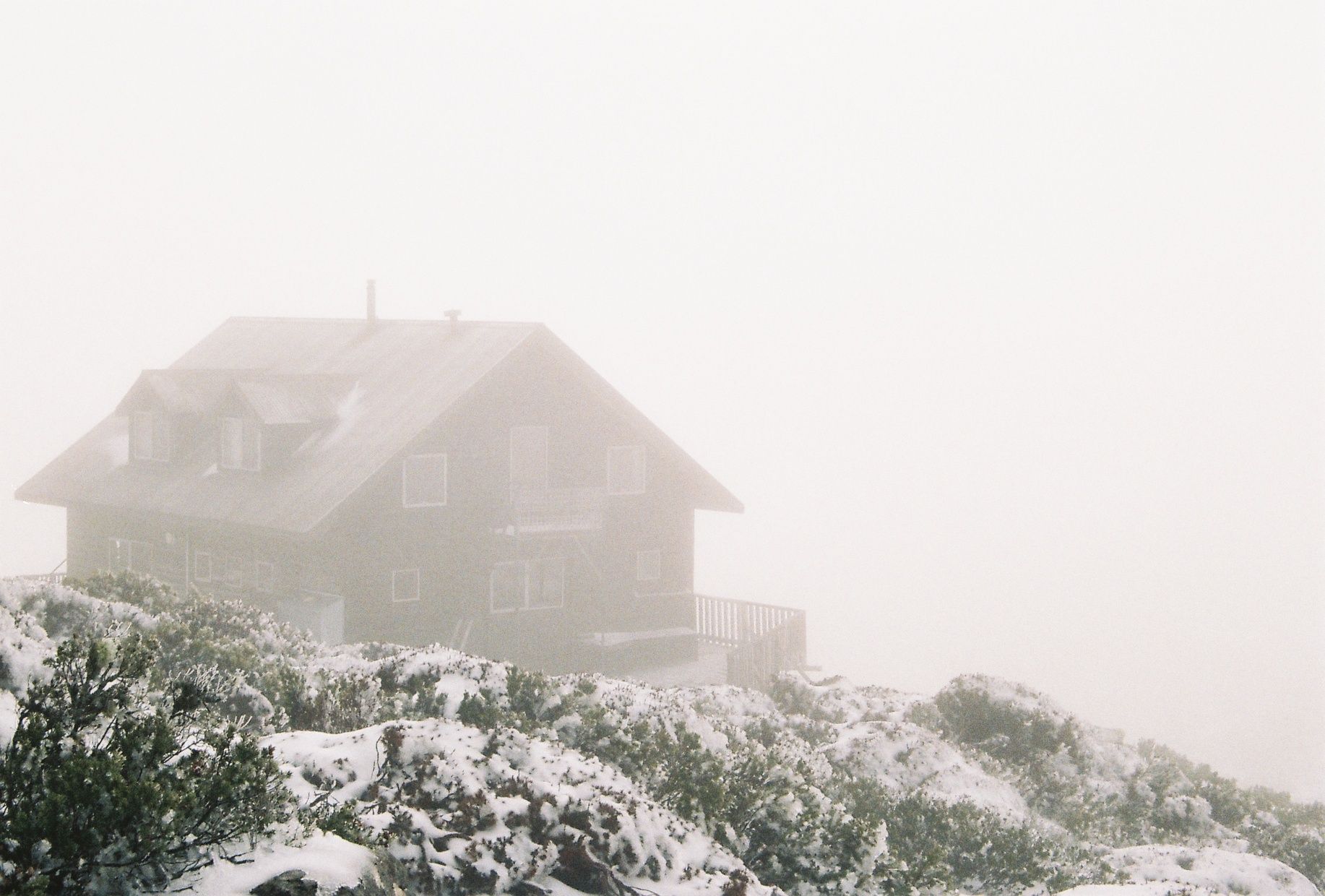
Winter in Tasmania brings cold and sometimes rainy weather, with snowfall in the mountains. This makes for excellent skiing and snowboarding, and it's a beautiful time of year to rent a rustic cabin, warm up by a fireplace, and sip on Tasmanian whisky or wine.
Though you have the least amount of daylight in winter, you also have the fewest crowds. City sightseeing is lovely if you bundle up, though long hikes into the wilderness are not recommended due to inclement weather. Some popular mountain peaks, such as Kunyani/Mount Wellington in Hobart, will even close their roads near the summit due to snow and ice in winter.
Tasmania winter overview
- Average daily high temperature: 13°C
- Average daily low temperature 6°C
- Average number of daylight hours: 9-10 hours
- Average number of rainy days per month: 11
Spring in Tasmania (September, October, November)
As the land reawakens from winter, spring in Tasmania brings wildflowers and wildlife. Snow melts and the rainy season ends, bringing powerful waterfalls and a lush countryside.
Spring is similar to autumn in terms of temperature and rainfall, though spring may be a touch colder and rainier. This is still a great time of year for road trips, waterfall-seeking, wildlife-spotting, and road trips. Hiking and camping are best planned for the end of spring as the weather gets warmer and drier.
Tasmania spring overview
- Average daily high temperature: 17°C
- Average daily low temperature 9°C
- Average number of daylight hours: 11-14 hours
- Average number of rainy days per month: 10
Visit the highlights of Tasmania!


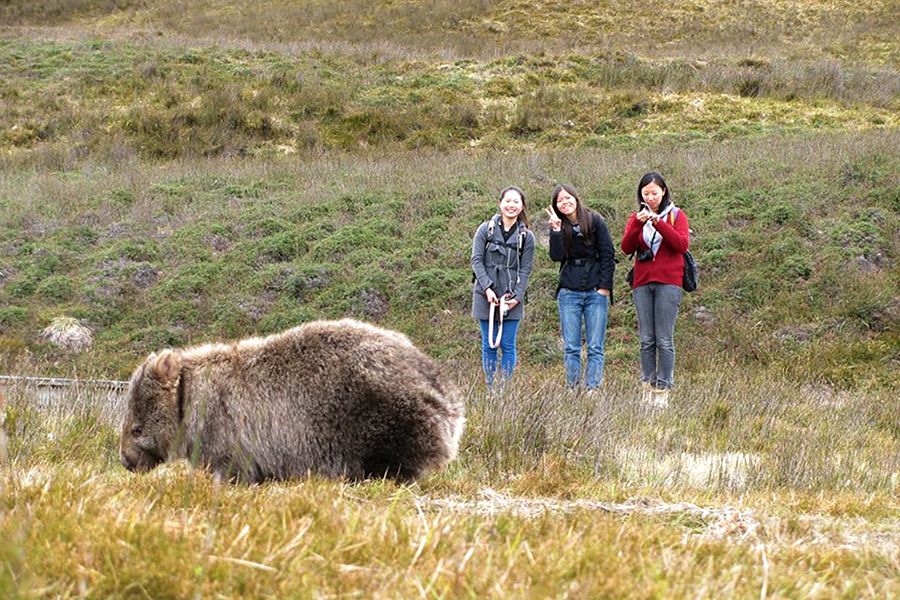


Peak Season vs Shoulder Season vs Low Season in Tasmania
Tasmania's tourist seasons very much align with the weather seasons, but here is how each month can affect your trip planning.
Peak Season (December to February)
Peak tourist season in Tasmania is the same as summer, though the main tourist season continues into autumn. With Christmas and New Year's holidays, as well as the prime beach weather and long days, this is the busiest and most expensive time to visit Tasmania.
Plan your trips in advance to avoid higher prices or missing out on your chosen activities, and get ready to experience Tassie in all its beauty!
Peak season tips
- Plan accommodations and tours in advance
- Visit tourist spots early in the morning to avoid crowds
- Wear sun protection even if it doesn't feel that hot
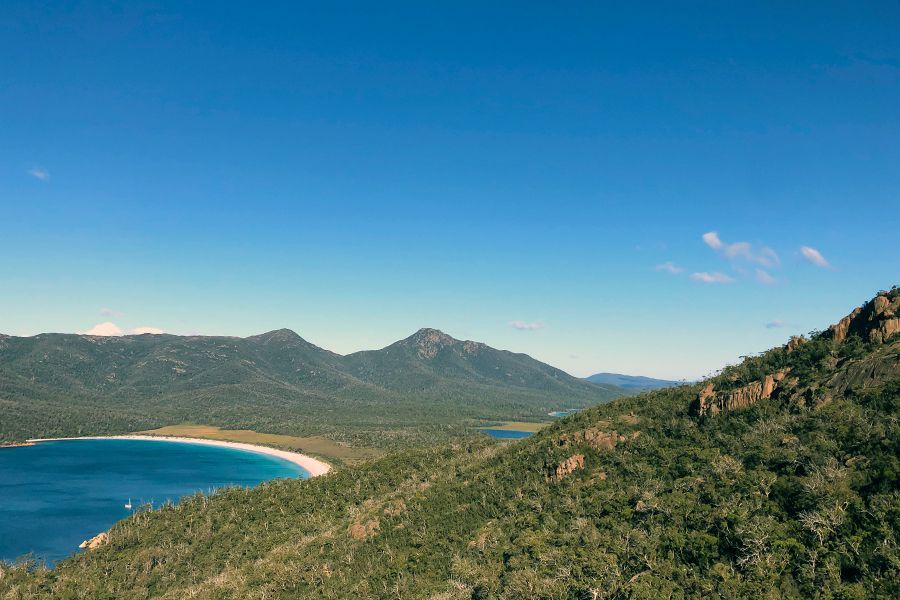
Shoulder Season (March to May and September to November)
The spring and autumn months mark shoulder season in Tasmania. Many consider shoulder season to be the sweet spot for visiting anywhere! Weather is generally pleasant (not too hot like summer or cold like winter). Prices and crowds are moderate, as peak season ends but the dip of low season hasn't started yet.
That means you get the perfect combination of favourable weather with prices that aren't too steep. It's a great balance!
Shoulder season tips
- Pack for all weather conditions (Tassie weather is unpredictable)
- Avoid holiday weekends and festivals, which will be crowded and expensive like peak season
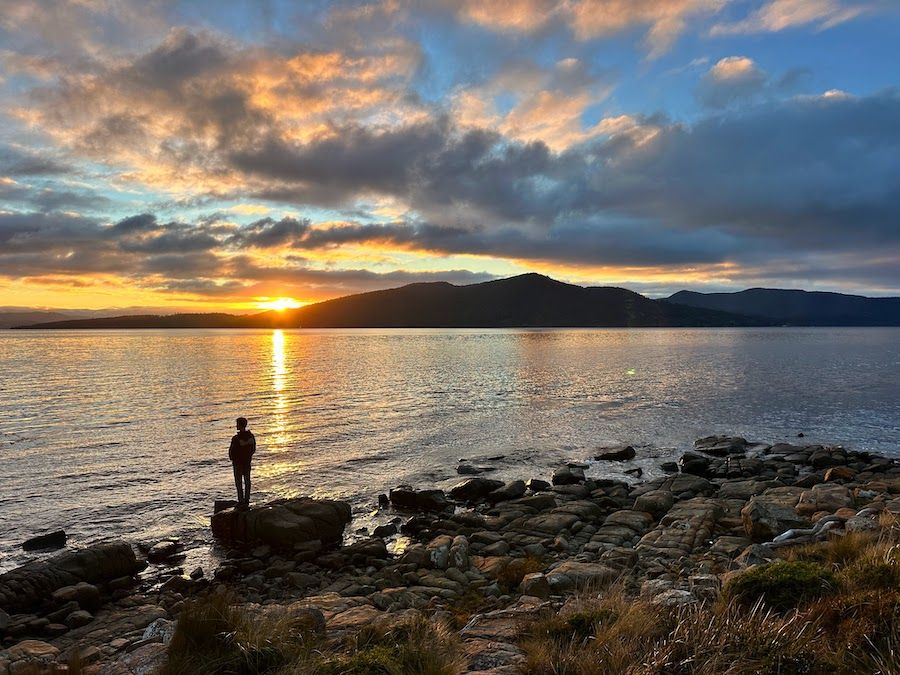
Low season (June to August)
Winter in Tasmania is the low season, meaning the fewest amount of visitors. As much as winter can be beautiful, the truth is, many people don't like the cold! You are limited in terms of some activities, like hiking or camping, and daylight hours are shorter.
But, as long as you wear appropriate clothing, you can score a super cheap holiday and enjoy the most amazing places with very few crowds.
Low season tips
- Ask about discounts and last-minute deals
- Check the weather daily and plan your outdoor activities for the nicest days
- Have some backup plans in case of rain or snow (museums, wineries, etc.)
- Pack extra layers - exploring is much more fun if you're warm
- Book an accommodation with a fireplace or sauna to stay cosy
Common FAQs About Visiting Tasmania
When is the best time to visit Tasmania for good weather?
The summer months of December, January, and February are the best time to visit Tasmania for warm, sunny weather.
Shoulder season months like March, April, or November will also have nice weather, though slightly more unpredictable than summer.
Is there a rainy season in Tasmania?
Tasmania does not have a distinct rainy season like you would see in the Australian tropics. But the rainiest months of the year are the winter months of June, July, and August.
Tasmania's west coast is notoriously wet and rainy, especially in winter, whereas the rest of the island is overall a bit drier.
When is the best time to visit Tasmania for hiking?
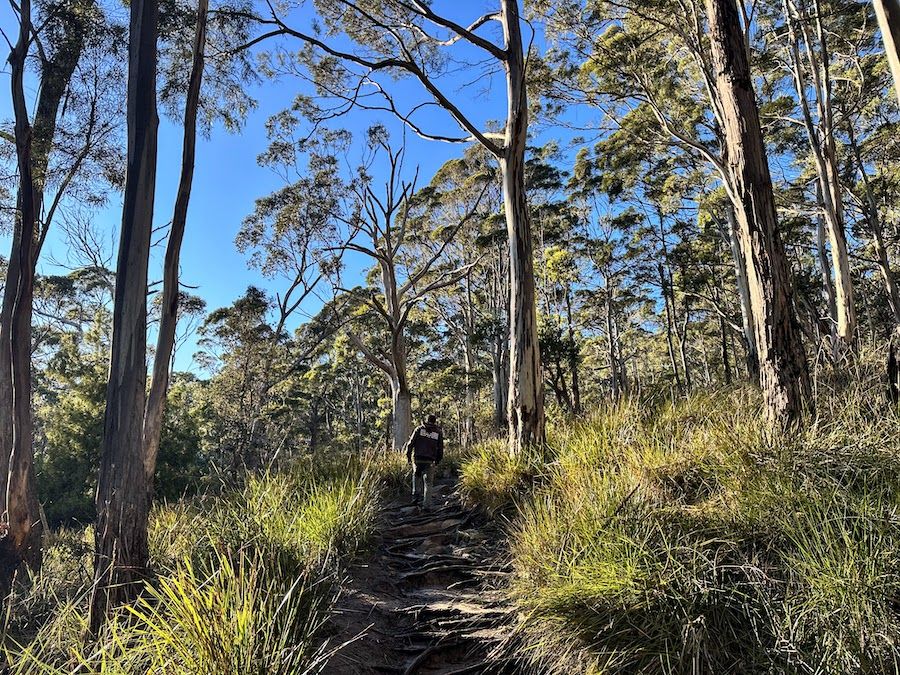
Summer (December - February) is the best time for hiking in Tasmania, as you have the highest chance of dry, sunny weather. You may experience more crowds, but it's worth it for the nicer weather.
Autumn (March - May) or spring (September - November) are also lovely for hiking if you prefer cooler temperatures and fewer crowds. But Tasmania's weather is very unpredictable, especially in the mountains. So always be prepared for any change in conditions, and always notify someone when you go out in the wilderness and when for safety.
When is the best time to visit Tasmania for a road trip?
The shoulder seasons of autumn (March - May) or spring (September - November) are arguably the best times for a Tasmania road trip. You still have relatively nice weather, and the crowds are much smaller than the peak summer season.
When is the best time to visit Tasmania for snow?
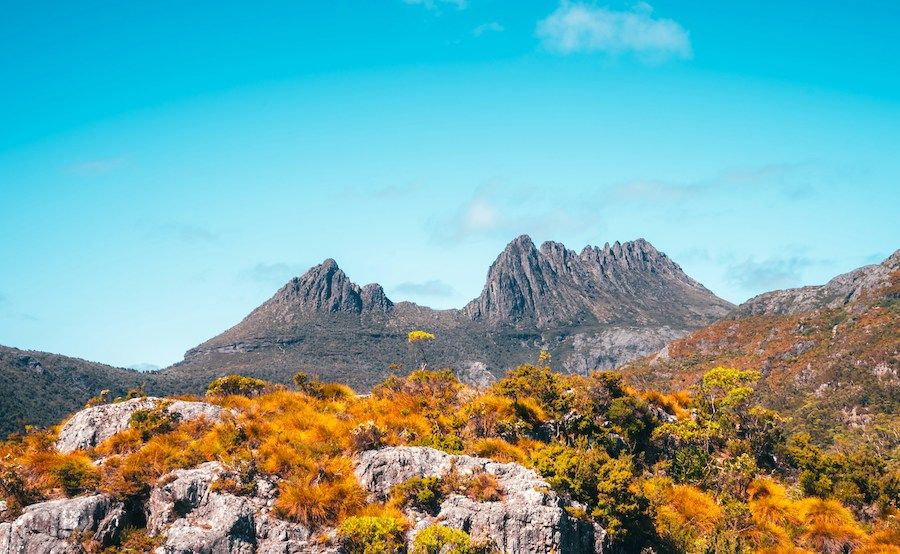
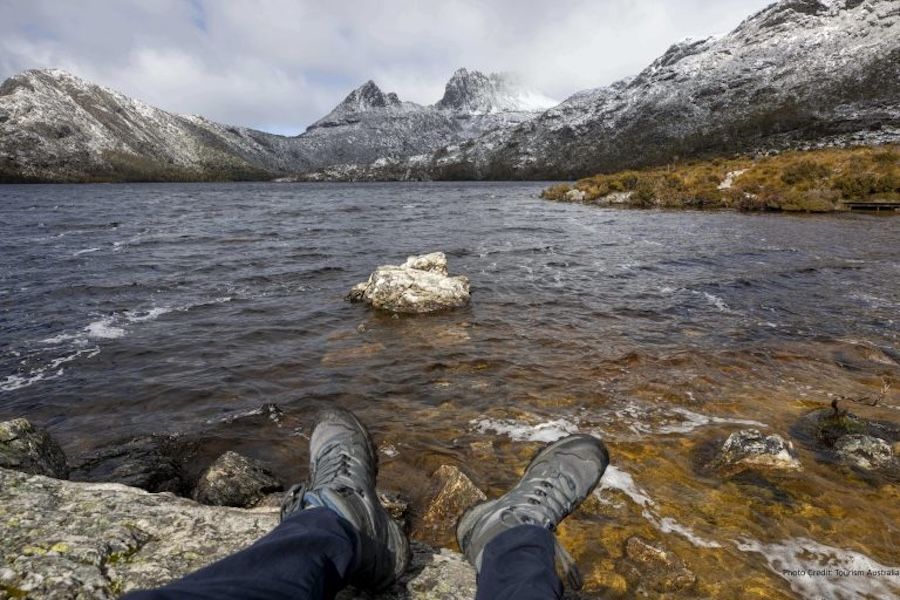
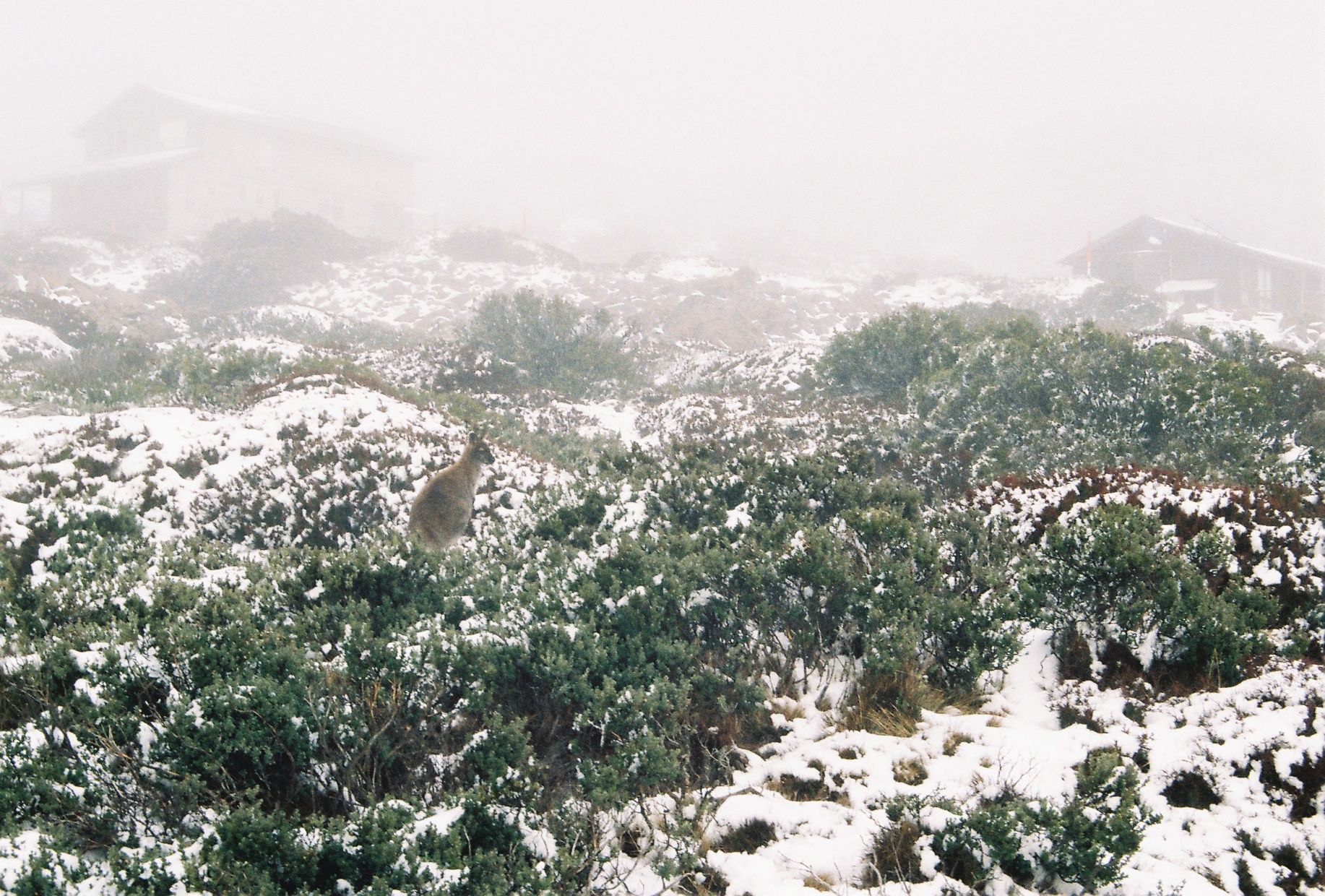
The winter months of June, July, and August have the highest snowfall in Tasmania. You are more likely to see snow in the higher altitude areas such as Cradle Mountain, Mount Field, or the Central Highlands. From downtown Hobart, you can even see snow on top of Kunyani/Mount Wellington right from the city centre!
If you want to ski or snowboard at Ben Lomond Alpine Resort, the season generally runs from mid-June to mid-September. Just note that when driving anywhere snowy in Tasmania, snow chains are usually required. Some roads, like the summit of Kunyani/Mount Wellington, might even be closed for winter.
Is Tasmania worth visiting in winter?
Tasmania is absolutely worth visiting in winter if you want a cosy, snowy getaway! Though the weather is at its coldest and wettest, prices and crowds are both at their lowest.
A personal note on winter in Tasmania:
I recently visited Tasmania in winter, and though it was very cold, I still had the most amazing time. I personally love visiting places in the off season because you get cheaper prices and fewer crowds, you just might have to brave some less favourable weather.
We found insanely cheap flights into Hobart (only $200 return from Sydney), packed lots of warm clothes, stayed in accommodations with cosy fireplaces and saunas, and really embraced the winter vibes. We even got lucky with some gorgeous sunny days for hiking, wildlife-spotting, and sightseeing outdoors.
It was such a heartwarming and memorable trip, so don't rule out Tassie in the winter!
When is the best time to visit Tasmania for fewer crowds?
Winter (June - August) is definitely the best time to visit Tasmania for fewer crowds. Many prefer to visit Tassie during the warm summer months, so winter is comparably uncrowded.
Also note that Tasmania is much less touristy than other Australian destinations such as Sydney, Melbourne, Brisbane, Cairns, or the entire East Coast. Even in peak season, you'll likely encounter fewer crowds in Tassie than you would in these popular places.
When is the cheapest time to visit Tasmania?
Winter (June - August) is also the cheapest time to visit Tasmania. Off season means cheaper prices for flights, accommodations, car rentals, and tours. So if you're travelling on a budget, pack some warm clothes and visit Tassie in winter!
When is the best time to visit Tasmania for wildlife?
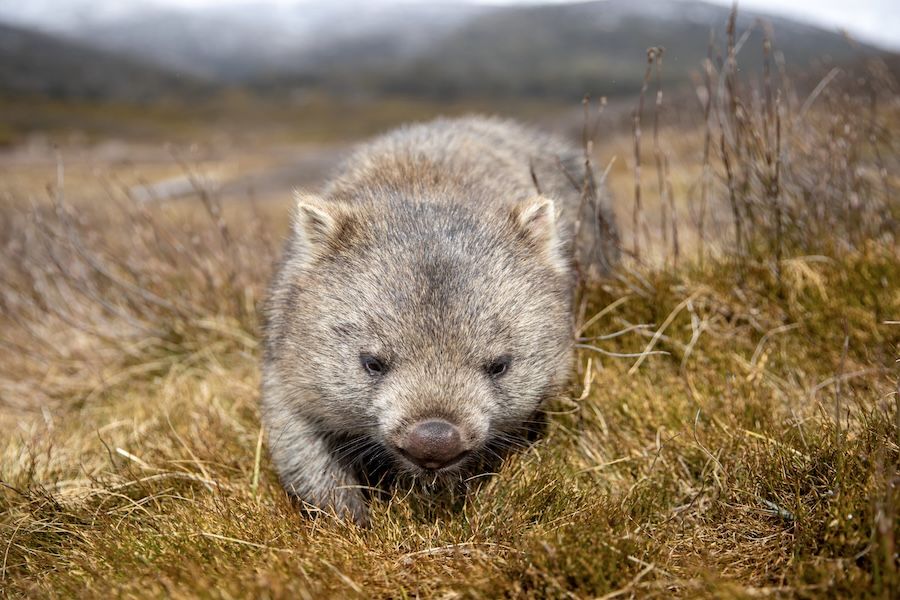
The best time to visit Tasmania for wildlife-spotting is Spring (September - November). This is when animals tend to emerge from a quiet winter, and baby animals are welcomed into the world!
You can view wildlife year-round in Tasmania, especially if you're out in the wilderness or exploring at dawn and dusk.
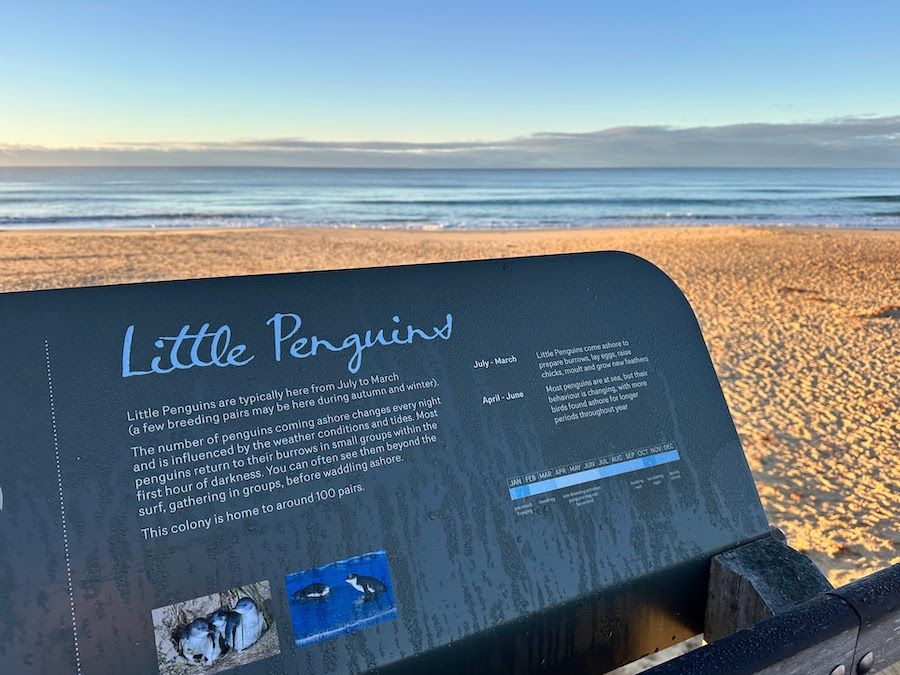
But some spring wildlife highlights include newborn kangaroos, wallabies, and wombats, little penguins coming ashore in places like Bruny Island, and humpback whales migrating south. Spring also sees more activity from Tasmanian devils and migratory birds.